
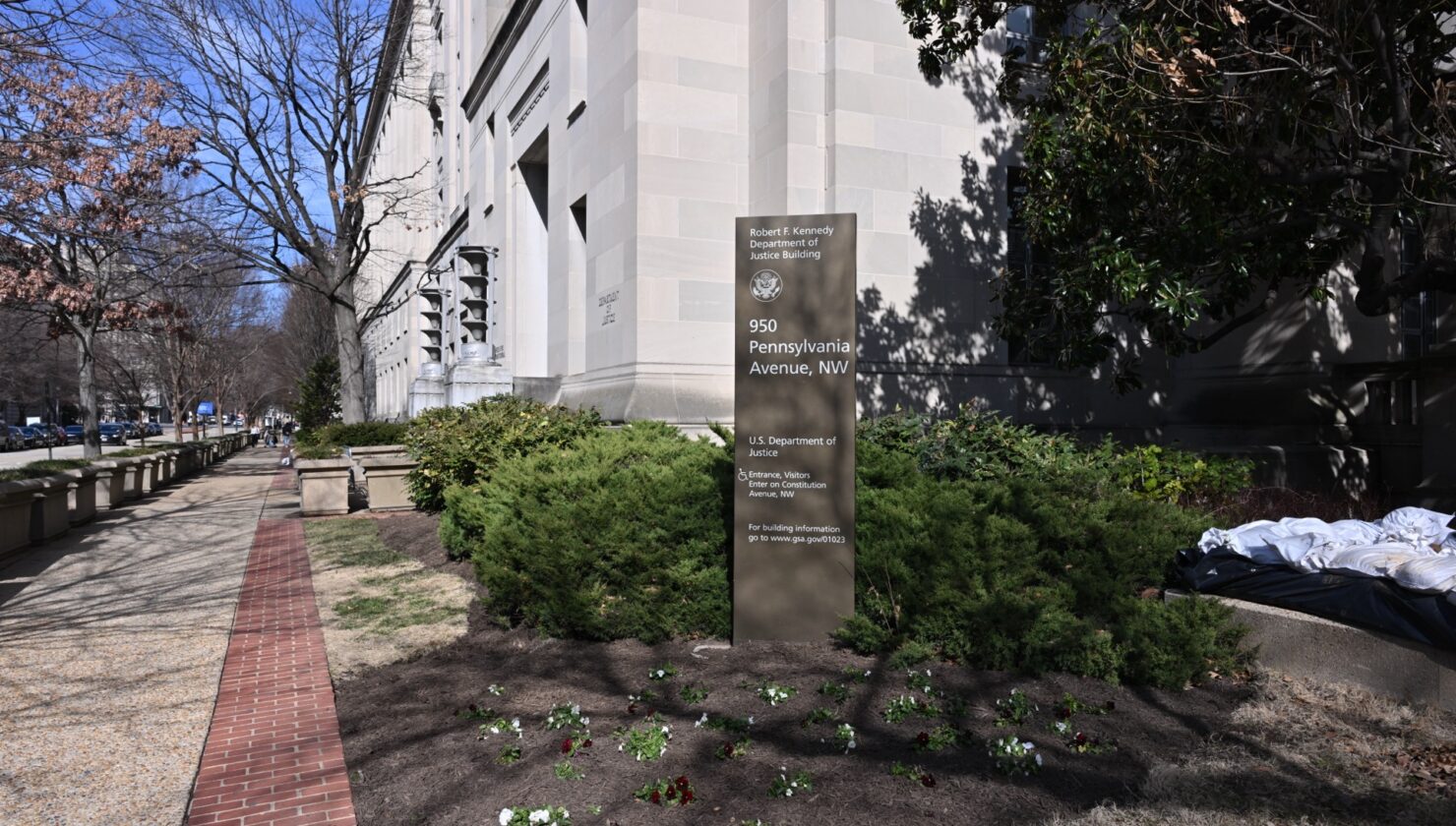
When the Drug Enforcement Administration published its proposed rule to move cannabis from Schedule I to Schedule III of the Controlled Substances Act last year, industry observers celebrated. When the public comment period closed with over 40,000 submissions — the most in DEA rulemaking history — they celebrated again. Now, months into an administrative law judge review process with no announced hearing date, the mood has cooled from euphoria to something more familiar: patient, wary waiting.
Understanding where the rescheduling process stands requires a brief tutorial in federal administrative law — the dense machinery that transforms agency proposals into enforceable regulations, and that operates on timelines largely indifferent to political urgency.
Where Things Stand
The proposed rule to reschedule cannabis to Schedule III was published in the Federal Register following an HHS recommendation based on an eight-factor analysis mandated by the Controlled Substances Act. The DEA is not bound to follow HHS’s recommendation, but doing so is the agency’s customary practice.
After the comment period closed, the DEA transmitted the proceeding to its Office of Administrative Law Judges, which must provide any “interested party” the opportunity to request a hearing. Multiple parties — including anti-legalization advocates, some pharmaceutical interests, and several cannabis advocacy organizations requesting stricter protections — have indicated they will seek hearings.
That hearing process has no statutory deadline. Proceedings of comparable complexity have taken anywhere from six months to three years to resolve.
What Schedule III Actually Means
The stakes of this reclassification extend well beyond symbolism. Schedule I drugs are defined as having no accepted medical use and a high potential for abuse — a classification that has blocked federally funded research, prevented VA doctors from discussing cannabis with veterans, and created the tax burden under IRS Section 280E that prevents cannabis businesses from deducting ordinary business expenses.
Schedule III classification would eliminate 280E’s application to cannabis businesses, a change the cannabis industry estimates could save the sector hundreds of millions of dollars annually. It would not, however, resolve the banking problem, preempt state law, or create any pathway to federal commercial cannabis sales.
Crucially, Schedule III would still mean cannabis is a controlled substance. Recreational possession without a prescription would remain federally illegal. Interstate commerce would still be prohibited. The patchwork state-by-state system would not be replaced.
The 280E Math
For context on why rescheduling matters financially: under current law, cannabis businesses are subject to IRS Section 280E, which prohibits deductions for businesses “trafficking in controlled substances.” A cannabis retailer that generates $5 million in revenue might have $3.5 million in legitimate operating expenses — but cannot deduct most of them. The effective tax rate for many cannabis businesses exceeds 60%, compared to 21% for equivalent businesses in legal industries.
Rescheduling to Schedule III would not automatically eliminate 280E, as the statute refers broadly to “controlled substances” — but the dominant legal interpretation, backed by multiple tax attorneys, holds that Schedule III status would remove cannabis from 280E’s scope. The IRS has not issued formal guidance on this question.
Political Variables
The rescheduling process is formally an administrative, not legislative, action — meaning it does not require Congressional approval. But it is not immune to political interference.
A new administration could instruct the DEA to withdraw the proposed rule, restart the analysis, or issue a final rule with different scheduling. Administrative law protections make outright reversal difficult once a final rule is published, but the current rule is not yet final.
Industry legal advisors suggest the most important near-term milestone is the administrative law judge’s determination of whether hearings will proceed and, if so, on what schedule. A decision not to hold hearings could accelerate the path to a final rule. A complex multi-party hearing schedule could push final action into 2027 or beyond.
Managing Expectations
Advocates who spent years pushing for rescheduling have grown cautious about victory laps.
“We’ve been through too many cycles of celebrating too early,” said one longtime federal policy lobbyist who requested anonymity. “The right posture is: this is real progress, the trajectory is positive, and we need to be vigilant about protecting it.”
For now, the cannabis industry watches the Federal Register for notices, retains administrative law specialists, and prepares its comment submissions for any hearing that emerges — threading the needle between urgency and realism in a process that has its own pace, and does not hurry.
Related Stories



Responses