
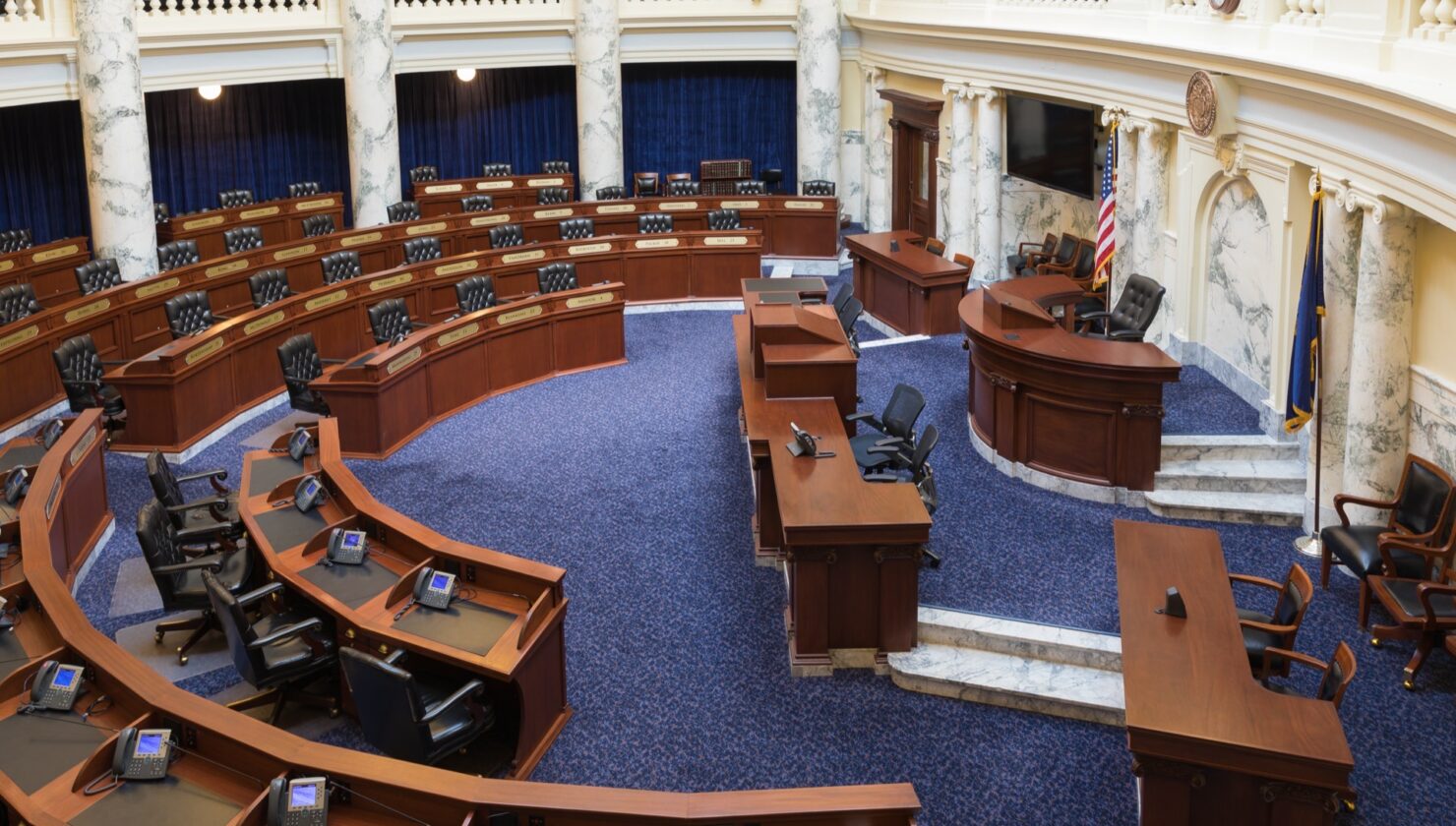
Idaho’s state Senate adopted Senate Concurrent Resolution 127 on Monday via voice vote — a formal resolution urging the citizens of Idaho to reject any effort to place the Idaho Medical Cannabis Act on the November ballot. The resolution carries no legal force. It can’t stop signatures from being collected. It can’t block a valid initiative. What it can do is signal, loudly and officially, that the Idaho Cannabis Inquirer’s legislative tracker has chosen to use government resources to lobby against its own constituents.
The signature deadline for the Natural Medicine Alliance of Idaho’s (NMAI) petition is April 30, 2026 — thirty days from now. Yesterday, the Senate sent SCR127 to the House.
What SCR127 Actually Does
A concurrent resolution isn’t a law. It doesn’t create penalties, change statutes, or bind anyone to anything. SCR127 exists entirely as a statement of legislative opinion: the Idaho Senate has formally put itself on record opposing the Idaho Medical Cannabis Act ballot initiative.
In practice, that means the Idaho state government — funded by Idaho taxpayers, including the patients and families seeking medical access — is now actively using its platform to discourage those same people from exercising their right to petition.
The resolution names the Natural Medicine Alliance of Idaho’s petition effort specifically. It states the “findings” of the legislature and urges citizens to reject it. That’s not neutral opposition — it’s a campaign.
Who It Affects
Idaho is one of only three states in the country with no medical cannabis program of any kind. (Wyoming and Kansas round out the list.) Forty-plus states have programs. Idaho patients with qualifying conditions — cancer, chronic pain, PTSD, epilepsy — currently have no legal pathway to access cannabis in their home state. Many cross into Oregon or Washington. Some simply go without.
The Idaho Medical Cannabis Act, if it qualified and passed, would allow residents with a qualifying health condition to register with the state board of pharmacy and purchase cannabis from licensed dispensaries. Standard structure. Nothing radical. The same framework that’s been running for years in every neighboring state.
For those patients, the April 30 signature deadline isn’t an abstraction — it’s the only window available this election cycle.
The Direction
Idaho’s legislature isn’t just opposing medical cannabis in the normal sense. It’s operating on two tracks simultaneously.
Track one: SCR127, the resolution. Non-binding, but it pressures citizens and muddies the campaign environment ahead of the April 30 petition deadline.
Track two: HJR 4, which is already on the the federal hemp ban taking effect in November 2026 ballot. Passed by the legislature last year, HJR 4 would amend Idaho’s constitution to give the legislature exclusive authority over marijuana and drug policy — permanently stripping citizens of the ability to use ballot initiatives on cannabis. If Idahoans pass HJR 4 in November, no future signature drive on cannabis will ever be legally possible.
This isn’t resistance to a specific measure. It’s a structural effort to eliminate the mechanism by which Idahoans could ever legalize cannabis against legislative will. SCR127 is timed to suppress petition momentum ahead of the deadline. HJR 4 is the longer game.
It’s worth noting: every neighboring state to Idaho — Oregon, Washington, Montana, Nevada, Utah — has some form of legal cannabis access. Oregon has had adult-use since 2015. Montana passed adult-use in 2020. Idaho sits in the middle of a legal cannabis map, with patients crossing state lines for products their own government refuses to allow at home.
What Happens Next
– April 30, 2026: Signature deadline for the Idaho Medical Cannabis Act initiative. The Natural Medicine Alliance of Idaho must collect enough valid signatures to qualify the measure for the November ballot. – After qualification: The initiative moves to the Secretary of State for certification, then to voters in November. – November 3, 2026: If both the NMAI initiative and HJR 4 appear on the ballot simultaneously, Idahoans would face a direct contradiction — vote yes on medical cannabis, and vote separately on whether to let the legislature override that kind of vote forever. – House action on SCR127: The resolution passed the Senate March 30 and moved to the House. A House concurrence vote is expected in April.
Who’s Behind This
Sponsor(s) of SCR127 — Idaho Senate majority (Republican) Idaho’s legislature is one of the most conservative in the country, consistently opposing any cannabis reform. The resolution passed by voice vote — meaning no individual names were publicly attached to the final tally. The overall posture is consistent: since voters passed a medical cannabis initiative in 2020 (Prop 1 narrowly lost in a different form), the legislature has worked to close the initiative pathway rather than engage with the substance of the policies.
Natural Medicine Alliance of Idaho The Boise-based NMAI launched signature collection in October 2025 and has been building momentum toward the April 30 deadline. The organization is working with national allies including the Marijuana Policy Project, which has been supporting the campaign. Their petition effort is the specific target SCR127 was written to counter.
The practical logic The Idaho Legislature has been consistent: no path to cannabis reform should be available to citizens that bypasses legislative authority. The 2020 initiative on medical cannabis failed narrowly despite majority support in some polls. Rather than responding to constituent interest, the legislature passed HJR 4 to permanently foreclose the option. SCR127 is the short-term tactical layer — pressure to suppress signatures before April 30.
That’s not moderation. That’s pre-emption.
The Bottom Line
Idaho’s Senate formally asked its citizens to stop trying to get medical cannabis on the ballot — less than a month before the petition deadline. The resolution doesn’t stop anything legally. But it’s part of a coordinated two-track effort: blunt the current initiative with SCR127, then close the door permanently with HJR 4 in November. For Idaho’s unserved patients, the next 30 days are the only window that currently exists. Whether they get another one is what the November vote will determine.



Responses