
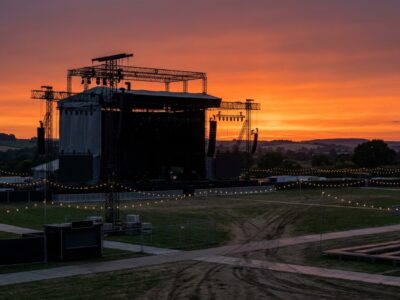
At Red Rocks Amphitheatre in Colorado, the smell has always been part of the experience. The geological wonder outside Morrison has hosted concerts since 1941, and for most of that time, cannabis consumption in the general admission section was simply an open secret — tolerated, managed, and largely unremarked upon by anyone except the occasional concert-goer who’d have preferred otherwise.
When Colorado legalized recreational cannabis in 2012, the social contract at Red Rocks and similar venues entered an ambiguous new phase. Consumption was legal. Consumption in public was not. Venue operators found themselves in the middle of a policy gap that hadn’t caught up to reality.
A decade and change later, the festival circuit is navigating that gap with more sophistication — and some of the emerging models are worth examining.
The Policy Landscape
Social consumption in outdoor public venues is regulated at the state and local level, with enormous variation. Colorado has one of the more developed frameworks, allowing permitted events to designate cannabis consumption areas with appropriate separation from non-consuming attendees. Denver’s pilot program for cannabis-friendly businesses has been expanded twice since its 2021 launch, and several music venues operate under consumption permits.
California allows local jurisdictions to permit on-site cannabis consumption, but the patchwork of municipal decisions means that a festival in Los Angeles County operates under different rules than one in Alameda County. Nevada’s gaming commission jurisdiction over Strip properties has created an unusual dynamic where casinos — some of the largest concert venues in the country — remain cannabis-free zones despite Nevada’s adult-use legalization.
The lack of federal framework means that any venue receiving federal funding, operating on federal land, or dealing with federal permits must remain cannabis-free regardless of state law — a category that includes many of the country’s most significant outdoor concert venues.
Brand Integration
The clearest evidence of cannabis’s normalization in festival culture is the brand presence. Cannabis companies are now among the most active festival sponsors in states where they can legally advertise, rivaling the beer tents that have historically defined festival commerce.
The activation model varies: some brands operate educational booths focused on product information and consumption guidance; others run designated consumption lounges with premium experiences for loyalty program members; a few have moved into artist sponsorship, funding tours in exchange for artist endorsement deals.
The sophistication of these activations has increased markedly. Early cannabis festival marketing often felt grafted on — a tent with a logo and a giveaway. Current integrations are designed by brand experience agencies with music industry backgrounds, built with the same attention to environment, cueing, and moment-making as any major consumer brand.
Harm Reduction as Practice
The most thoughtful festival operators have integrated cannabis into broader harm reduction frameworks that serve all substances and all attendees.
Organizations like DanceSafe have long staffed festival medical tents with education on drug interactions, overdose prevention, and safe consumption practices. Cannabis legalization has created an opening to include explicit cannabis content in that education — information about edible onset timing, signs of overconsumption, and the interaction between cannabis and alcohol that can amplify both substances’ effects.
Several major festivals now include cannabis-specific guidance in their app and pre-event communications: suggested dosing for occasional consumers, reminders about edible onset timing, and the location of medical tents for attendees who have consumed more than intended.
The harm reduction argument for cannabis-friendly policies is intuitive: if people are consuming anyway — and they are, policies notwithstanding — visible, regulated, harm-reduction-informed consumption is safer than consumption in dark corners with no information and no help nearby if something goes wrong.
The Attendee Experience
For the majority of festival attendees, the most meaningful change is cultural rather than structural. Cannabis has become an unremarkable part of festival experience in legal states — a product category available at the same mental latitude as a beer or a coffee.
That normalization shifts the dynamic in subtle ways. Consumption is more visible and socially integrated rather than hidden and slightly transgressive. Designated consumption areas give non-consumers clearer spaces. The quality control that comes with legal product — tested potency, no adulterants — reduces the medical incident rate associated with unregulated black market product.
“The vibe is better,” said one touring sound engineer who’s worked festivals from Coachella to Bonnaroo for two decades. “People know what they’re taking. They’re not freaking out at the medical tent because they ate an unregulated edible and had no idea what was in it. The legal market has made this environment genuinely safer.”
The Horizon
As social consumption frameworks mature and inter-state commerce eventually opens, the festival circuit’s relationship with cannabis will continue to evolve. Cannabis brand sponsorship money is significant and growing; venue operators who have been cautious about brand association are reconsidering as the financial upside becomes harder to ignore.
The more interesting question may be cultural. Cannabis has always been part of live music culture — the substances change, the social rituals adapt, but the underlying drive toward collective altered experience at concerts is ancient and persistent.
What’s changing is not that cannabis is at the festival. It’s that the festival is, at last, willing to say so.


Responses