
There’s a cheese bread called khachapuri that sits at the center of Georgian cuisine — warm, boat-shaped, a pocketed island of molten Suluguni cheese that might be the most satisfying thing you’ll eat in the Caucasus. In Svaneti, the remote northwestern province of Georgia where mountain peaks stay snow-capped and valleys go snowbound for seven months of the year, old-timers will tell you there used to be another version. Fragrant. Infused. Made with a specific ingredient that the region once grew in every household garden.
That ingredient was cannabis.
The Svans — an indigenous people who built their distinctive defensive towers in the 9th century and have spoken their own language, distinct from Georgian, for thousands of years — developed one of the most integrated cannabis food cultures in recorded history. Not in the recreational-products-marketed-as-artisanal sense that dominates American cannabis culture today. Something older and more complete: a cuisine in which the plant appeared across meals, ceremonies, and daily ritual, where the seed, leaf, flower, and fiber each had specific culinary roles, and where the tradition was so embedded that it was essentially invisible. It was just how Svans cooked.
That tradition was erased in a single generation.
A Kitchen Built Around a Single Plant
The Svan relationship with cannabis was shaped by isolation. Svaneti’s geography made it nearly impenetrable — invasions that swept through the rest of Georgia for centuries simply couldn’t reach the high villages. The Svans preserved pagan-inflected animist traditions alongside Orthodox Christianity, maintained polyphonic folk music that UNESCO now recognizes as intangible cultural heritage, and cultivated an agricultural tradition in which cannabis was a core crop.
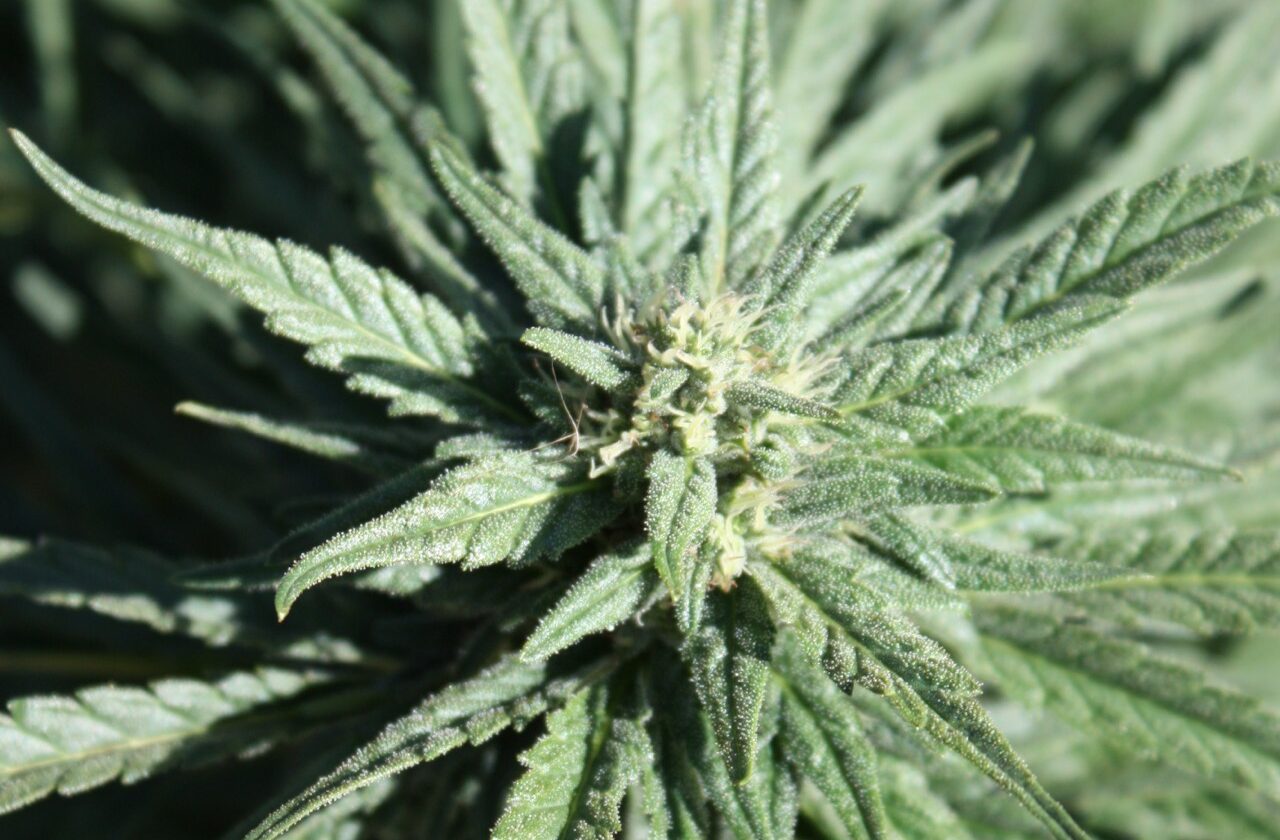
Every part of the plant had a use. Hemp fiber for cloth and rope — the industrial baseline. Cannabis seeds pressed into oil or ground into meal for bread and porridge. The seeds appeared in holiday dishes, in funeral preparations, in everyday cooking in ways that tracked closely with how linseed or walnut were used across broader Georgian cuisine. And the flower — the psychoactive material — had a place in the culture too, though accounts of exactly how vary by source and community.
Mevluti Charqseliani, a local historian in the village of Ushguli — one of the highest permanently inhabited settlements in Europe — has described Svan cannabis culture as comprehensive in a way that modern cannabis markets, with their emphasis on isolation and product segmentation, struggle to parallel. “Every Svan household grew cannabis plants, which were used in their entirety,” he told Atlas Obscura in an interview that circulated widely in 2025. The plants weren’t hidden or marginal. They were garden staples, as ordinary as walnut trees or grape vines.
The khachapuri version — the weed-filled cheese bread that some locals still speak of — may or may not survive in the highest settlements. Some historians believe it persists, quietly, in communities that never fully complied with Soviet-era eradication. Others think it died with the generation that was forced to uproot their plants. The uncertainty itself is part of the story.
What the Soviets Actually Destroyed
The end of Svaneti’s cannabis cuisine wasn’t gradual. It was enforced.
Soviet narcotics policy, which tightened across the USSR from the late 1960s through the 1980s, targeted cannabis cultivation as part of a broader campaign against traditional intoxicants that fell outside state control. In Svaneti, that meant inspectors arriving in communities where cannabis had been cultivated for, by some estimates, thousands of years, and ordering the plants destroyed. Households that had grown cannabis across generations — not primarily to get high, but because it was a food crop, a fiber crop, a cultural cornerstone — were told to pull it up.
They did.
What makes this particularly striking, from a food history perspective, is the specificity of what was lost. Cannabis cuisine in Svaneti wasn’t a folk medicine tradition or a ceremonial use-case preserved in occasional practice. It was a cooking tradition. Recipes. Techniques. The accumulated knowledge of how to prepare, dose, and incorporate the plant into dishes that had been refined over centuries. When Soviet pressure broke the practice, that knowledge didn’t migrate to written cookbooks or culinary schools. It largely vanished with the people who held it.
This is a category of food history loss that doesn’t get much attention. We talk about endangered languages, endangered species, endangered architectural traditions. Cannabis cuisines — the practical, non-ceremonial, kitchen-table traditions that existed across Central Asia, the Caucasus, and parts of South Asia — occupy a gap in food scholarship that’s only beginning to receive serious attention.
Why This Matters Now
The timing of renewed interest in Svaneti’s cannabis cuisine is not coincidental. As legal cannabis markets in North America, Europe, and parts of Latin America mature, culinary applications are becoming a major growth frontier. Cannabis-infused dining experiences, pairings with terpene-forward strains, chef-driven edibles, and the broader “weed sommelier” aesthetic all signal an industry working to construct legitimacy through culinary sophistication.
What the Svaneti story suggests is that there’s no need to construct that legitimacy from scratch. It already exists, or existed, in mountain communities that never had a cannabis industry at all. The Svans weren’t marketing a lifestyle. They were cooking.
That distinction matters for how contemporary cannabis culture understands itself. The persistent framing of cannabis-infused food as novel, as frontier, as daring — it sits differently when you know that a mountain people in Georgia were using every part of the plant in their kitchen centuries before a single cannabis-infused gummy was sold through a licensed dispensary window. What the industry is figuring out, they’d already figured out. And then they lost it.
The current scholarly and culinary interest in recovering or documenting Svan cannabis food traditions is real, if still limited. Researchers have traveled to Ushguli and the surrounding villages. Food historians have begun tracing the plant’s role in Caucasian cuisine more systematically. Some local Svans, particularly among the older generation, still hold pieces of the knowledge — the specific dishes, the specific preparations — though they rarely discuss it openly.
An Honest Caveat
The difficulty with writing about lost food traditions is that the loss itself makes them hard to verify. Much of what we know about Svan cannabis cuisine comes from oral accounts, a handful of academic sources, and the careful recent reporting that High Times and Atlas Obscura have done on the subject. Some specifics — exactly which dishes, exactly how the plant was processed and combined — remain unclear or contested.
What isn’t contested is the basic shape of it: a mountain community, an integrated plant culture, a Soviet crackdown, and a tradition that didn’t survive the pressure intact. The khachapuri question — whether a cannabis-infused version exists or ever existed — may never be fully resolved. But the broader story, of a cuisine that used cannabis comprehensively and practically, and lost it to a political decision made thousands of miles away, is documented enough to take seriously.
That’s a story worth telling, even if the recipe is still missing.
Sources: High Times, Atlas Obscura, Wikipedia. Skye Laurent is CannabisInquirer’s culture editor.



Responses