
Hemp Was on the Table in D.C. — What NCIA’s 2026 Lobby Days Means for the Farm Bill Fight
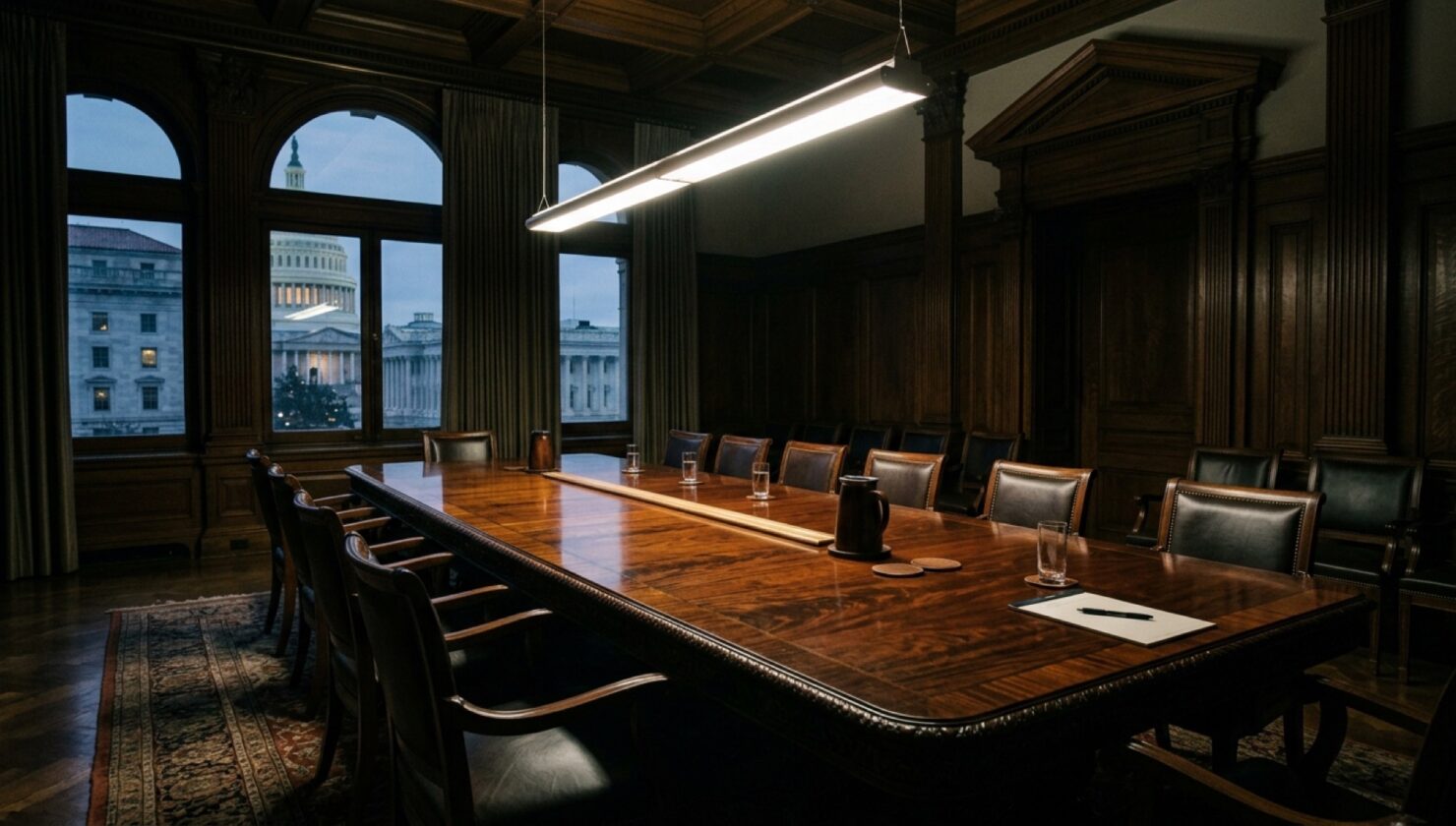
From May 12–14, cannabis industry operators and advocates filled congressional offices across Washington, D.C. for the National Cannabis Industry Association’s 14th Annual National Cannabis Industry Lobby Days — and while rescheduling dominated the headline framing, the hemp policy conversation happening in the hallways and meeting rooms may have carried just as much long-term consequence.
The Farm Bill is still unresolved. That’s the backdrop against which every hemp-derived THC retailer, delta-8 brand, and THCA flower operation in the country is currently running their business. The 2018 Farm Bill created the legal framework that allowed hemp to go to market. The 2023 reauthorization cycle came and went without a deal. Stopgap extensions have kept hemp federally legal, but they’ve done nothing to answer the industry’s core question: what, exactly, can you put in a gummy and ship across state lines?
NCIA’s lobby days operate on a simple premise — face time matters. Over a day and a half, members walked into Hill offices and made the case that cannabis policy reform is bipartisan, economically significant, and overdue. This year’s event leaned into the “beyond rescheduling” framing deliberately. With DEA’s Schedule III process grinding forward at its own pace, the industry has started focusing attention on the legislative track — including the Farm Bill — as a parallel path to regulatory clarity.
Why Hemp Operators Are Watching Congress Closely
The stakes for hemp-derived cannabinoid businesses are different from those facing plant-touching cannabis operators. A licensed dispensary in Colorado or California operates inside a state regulatory structure. A hemp brand selling delta-8 gummies nationally operates in a gap — technically federal, theoretically legal, practically unenforceable, but vulnerable at every border.
That vulnerability has calcified into something like market reality over the past few years. States have moved to ban or restrict specific hemp-derived cannabinoids at their own pace — delta-8 is now prohibited or heavily restricted in more than a dozen states, with THCA facing increasing scrutiny in others. Without a federal framework that either legitimizes or limits these products, the patchwork keeps expanding.
The Farm Bill is the most direct legislative tool for fixing that. A reauthorization could define which hemp-derived cannabinoids are permissible, what potency thresholds apply, how FDA’s enforcement role interacts with hemp products sold as food or dietary supplements, and what testing and labeling standards would actually look like at scale. Industry groups like NCIA have been pushing for language that closes the regulatory vacuum without triggering a de facto ban on the cannabinoid products that now represent a multi-billion dollar slice of the broader cannabis economy.
The lobbying effort this spring is happening in a specific political window: a Congress that’s active enough to have passed some legislation, but uncertain enough in its composition and priorities that nothing is guaranteed. NCIA’s membership showing up in person — with specific asks and constituent relationships — is the pressure mechanism.
“Beyond Rescheduling” Is Also About Hemp
NCIA’s framing of this year’s lobby days as going “beyond rescheduling” reflects something the industry has been working through internally: that DEA’s administrative process and Congress’s legislative process are not the same fight, and that winning one doesn’t automatically win the other.
Rescheduling, if it proceeds, would move cannabis from Schedule I to Schedule III under the Controlled Substances Act. That matters enormously for plant-touching operators — it unlocks banking access improvements, changes the tax calculation under 280E, and shifts the federal posture toward cannabis businesses. But it does essentially nothing for hemp-derived THC. Hemp was removed from the CSA entirely by the 2018 Farm Bill. Its regulatory future lives in agricultural law and FDA’s authority over ingestible products — not in scheduling.
That means hemp stakeholders need a Farm Bill deal, or they need FDA to finally publish enforcement guidance it has been sitting on for years, or they need both. NCIA lobby days gives hemp-adjacent operators a vehicle to push on the congressional side of that equation.
The Judicial Backdrop
The lobbying push comes the same week a federal judge dismissed a lawsuit brought by prohibitionist groups seeking to block hemp-derived products from being dispensed to Medicare beneficiaries through a CMS pilot program. The court found that none of the plaintiffs demonstrated sufficient injury or concrete harm from the program’s implementation.
That ruling, while narrow, matters as a data point. Courts have now rejected, at least in part, the argument that hemp products in healthcare settings constitute an obvious harm requiring immediate judicial intervention. That doesn’t resolve the broader policy questions — it doesn’t tell Congress what the Farm Bill should say, and it doesn’t tell FDA how to regulate hemp extract in a supplement. But it does make it harder to argue that the status quo is catastrophically dangerous and requires emergency legislative action to stop.
For hemp operators watching the lobbying effort in D.C., that’s a useful piece of context. The legal environment isn’t moving against hemp in a decisive way. The question is whether Congress and the industry can turn that stability into something more durable — a framework with rules, not just the absence of explicit prohibition.
What Comes Next
Farm Bill negotiations have resumed in fits and starts throughout 2026. There’s no scheduled floor vote and no public timeline for a markup. NCIA members who spent two days in congressional offices this month are essentially trying to prevent the issue from falling off the priority list entirely — to keep the pressure on staff and members before summer recess and the fall legislative crunch.
For hemp brands, that means another season of operating under uncertainty. The products are legal until they aren’t. The enforcement posture is selective. The state-by-state restriction map keeps growing. Lobby days won’t fix any of that by themselves — but they’re one of the few mechanisms the industry has to push a legislative process that moves on its own schedule.
The Farm Bill fight is a long one. NCIA showed up for round fourteen.
Related Stories


Responses