
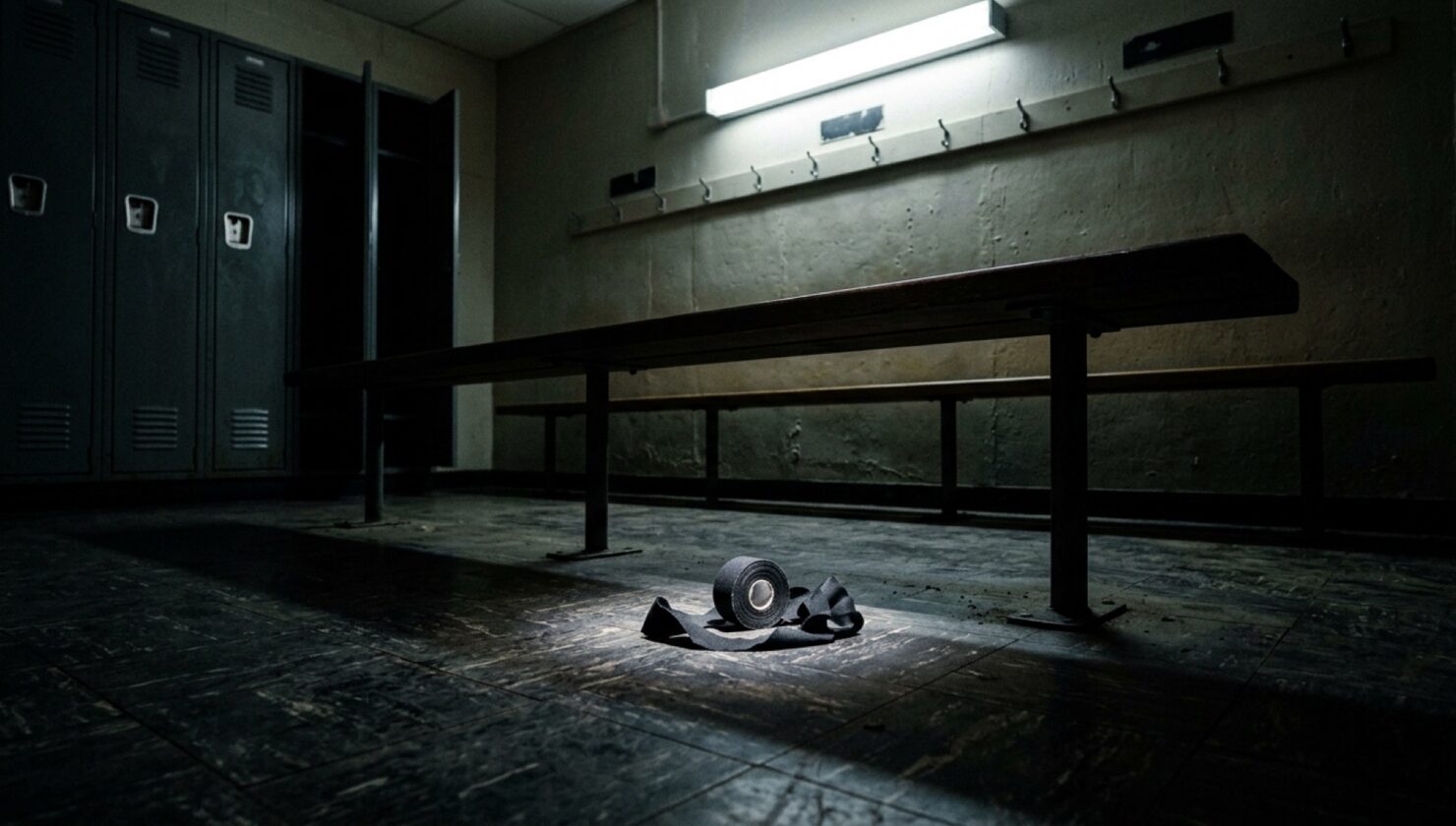
The WNBA Dropped Its Weed Ban. Now Players Face New Rules on Psychedelics.
For years, WNBA players navigated the same exhausting contradiction that athletes across professional sports have quietly lived with: cannabis was legal in most of the states where they worked, widely used for pain management and recovery, and still treated by the league as a fireable offense. That era is officially over.
The WNBA’s new collective bargaining agreement removes marijuana from the league’s list of banned substances entirely — a long-overdue acknowledgment that weed and professional athleticism were never incompatible to begin with. But buried in the same agreement is something that didn’t make as many headlines: psilocybin, DMT, and ibogaine are now prohibited for the first time in league history.
The league giveth, and the league taketh away.
What the New CBA Actually Says
The new players’ agreement doesn’t just strike cannabis from the banned list — it also establishes a framework for how players can invest in cannabis and CBD businesses, a clause that signals the league is thinking about this practically, not just symbolically. Players who built brands or equity stakes in the industry while holding their breath now have some cover.
The psychedelics ban is a different story. The WNBA has never needed to address psilocybin or ibogaine before — those substances weren’t part of the cultural conversation in professional women’s basketball the way cannabis had been. Adding them to the prohibited list now is less about enforcement reality than it is about positioning: the league wants to be seen as having gotten ahead of the psychedelic wave before it arrives at the locker room door.
Whether it will arrive is a legitimate question. Psychedelic therapy is having a cultural moment, driven by genuine clinical evidence for conditions like PTSD, treatment-resistant depression, and anxiety — conditions that, frankly, professional athletes deal with at rates that would surprise most casual fans. The physical demands of elite sports are well-documented. The psychological toll is less discussed but no less real.
The Shape of a Double Standard
Here’s the uncomfortable part of this story: cannabis and psychedelics are being treated very differently, and the reasoning is almost entirely cultural rather than scientific.
Marijuana was banned from professional sports because it was illegal, associated with counterculture, and viewed as a performance liability. The science — which largely shows it doesn’t enhance performance and can meaningfully help with pain and sleep — didn’t really matter. What mattered was perception. As cannabis legalization moved state by state into the mainstream and the demographic profile of cannabis users broadened, the perception changed, and the bans started falling: the NFL softened its policy, the NBA suspended testing, and now the WNBA has gone the furthest of any major American league by removing the prohibition outright.
Psychedelics are currently on the other side of that curve. They’re associated with clinical settings and counterculture in equal measure, which makes leagues nervous. But the clinical evidence is real — it’s not fringe research. And as any observer of the cannabis timeline could tell you, the gap between “real evidence” and “mainstream acceptance in institutional sports” can span decades.
The concern isn’t that the WNBA is being reckless. It’s that leagues tend to respond to cultural pressure rather than lead it. They banned cannabis long after the evidence said the ban was incoherent. Now they’re banning psychedelics before the culture has even decided what to do with them. The result is a policy that’s always one step behind the actual lives of the people it governs.
Players at the Center of the Shift
What gets lost in the policy language is the human dimension. WNBA players are, by most measures, among the most underpaid elite athletes in American professional sports relative to their skill level and the revenue they generate. They’ve fought for years for basic resources: charter flights, adequate training facilities, fair wages. The cannabis ban sat alongside those grievances as another way the league treated its players as liabilities to be managed rather than people to be supported.
Lifting it matters, even if it arrives later than it should have. A player who uses cannabis to manage chronic joint pain, sleep, or anxiety during a grueling season no longer has to choose between their health and their contract. That’s real, and it’s worth naming plainly.
The psychedelics provision will matter too, eventually. Whether it’s a player who pursues ketamine therapy for depression or an athlete who participates in an ibogaine program to address addiction, these conversations are already happening in professional sports. They’re just happening quietly, without league guidance, and sometimes with career-ending consequences when they come to light. A ban doesn’t make the need go away — it just makes it more dangerous to address it.
What Comes Next
The cannabis reckoning in professional sports isn’t finished. The WNBA’s new CBA is a milestone, but it’s also a reminder of how many other leagues are still parsing through contradictions their predecessors built.
The broader cultural shift is also running into institutional headwinds at the federal level, where a November ban on hemp-derived intoxicants looms and bipartisan action to delay it remains uncertain. The psychedelic therapy space is drawing Wall Street attention, which historically has a way of distorting the clinical promise of emerging medicine in favor of extractable profit — a pattern cannabis already lived through and is still recovering from.
For now, the WNBA’s new agreement represents a net positive — a league finally catching up to the reality its players have been living in. The weed ban being gone is unambiguously good news for athletes who deserve the same access to the plant that millions of ordinary Americans take for granted.
The psychedelics clause is a question mark. It may prove to be prudent caution. It may prove to be the same kind of reflexive institutional fear that kept cannabis prohibited for a generation past its expiration date.
The history here doesn’t exactly inspire confidence about which one it is.
Skye Laurent covers cannabis culture, lifestyle, and social trends for CannabisInquirer.com.


Responses