
15,000 People Just Marched Down Mexico City’s Most Famous Boulevard for Cannabis. Congress Has Had Four Years.
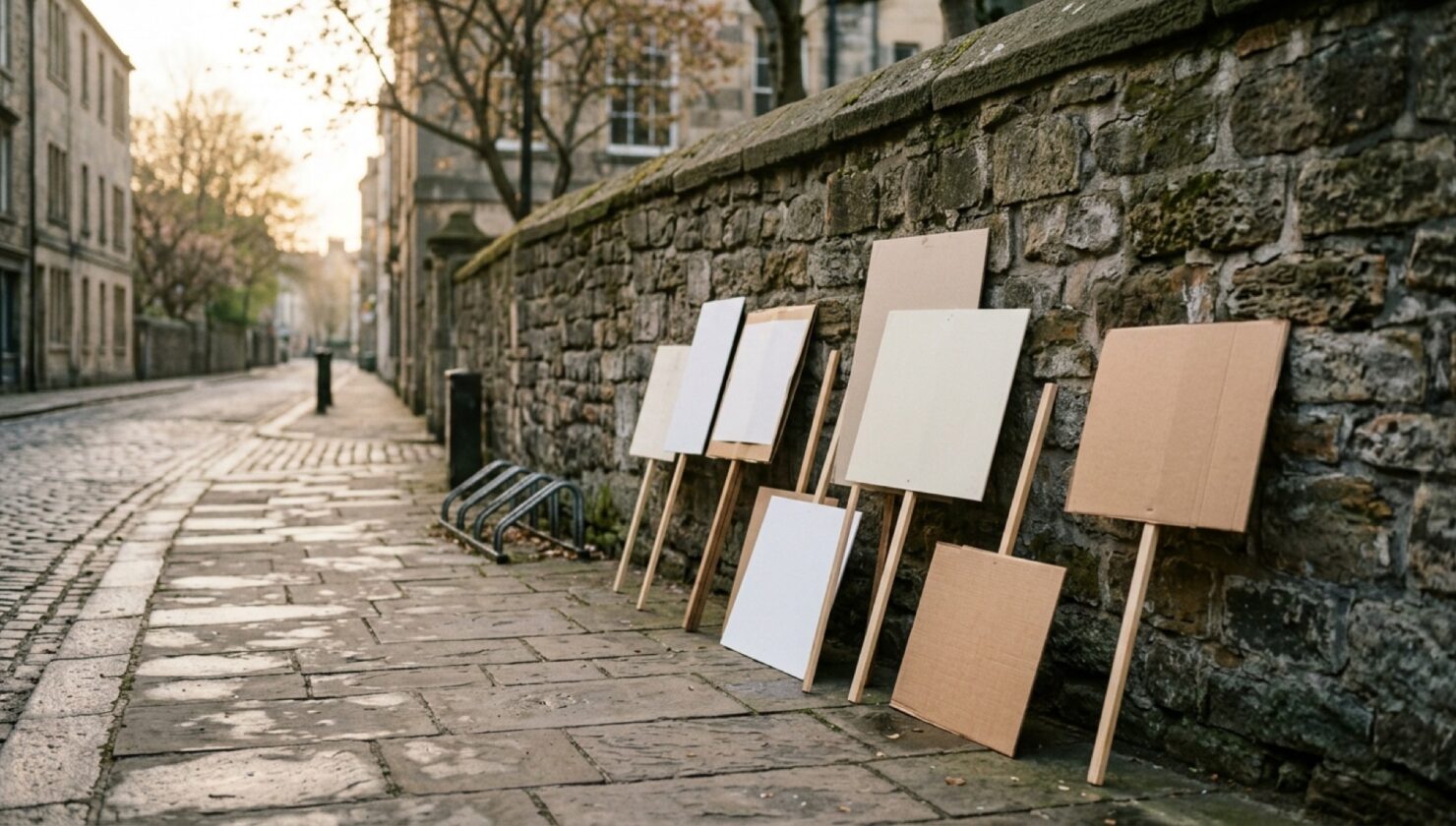
There’s a photograph that captures May 2nd in Mexico City better than any headline: tens of thousands of people stretching the length of Paseo de la Reforma, one of the most iconic urban boulevards in Latin America, carrying green flags, handmade signs, and what you might generously call herbal accessories. The backdrop is the Angel of Independence monument, gilded and stoic. The crowd is anything but.
This was the Global March for Cannabis, and in Mexico City, 15,000 people showed up — not just to celebrate the plant, but to deliver an overdue invoice to the Mexican Congress.
The Clock Has Been Running Since 2021
The legal background here matters, because this march wasn’t born out of abstract advocacy. It was born out of a specific, documented, years-long failure.
In 2021, Mexico’s Supreme Court issued a ruling that effectively mandated Congress to pass a cannabis legalization framework. The court had ruled multiple times before that prohibition was unconstitutional — that preventing adults from growing and possessing cannabis for personal use violated fundamental rights. The legislature was told to act.
It didn’t.
Not in 2021. Not in 2022. Not through two subsequent electoral cycles and the political transition that brought Claudia Sheinbaum into the presidency. As of May 2026, Mexico’s Congress has let approximately four years and counting pass without fulfilling a constitutional obligation. The Supreme Court has extended deadlines repeatedly. The delays have become a kind of dark joke in Mexican cannabis circles — the law that’s always six months away.
So when 15,000 people blocked traffic on Reforma on May 2nd, they weren’t marching for a bill that might pass someday. They were marching because they are tired of being made to wait for something a court already said they deserve.
What a March Looks Like When the Crowd Is Actually Fed Up
According to firsthand accounts from the scene, this year’s Mexico City march had a different energy than previous iterations — less festival, more pressure.
That’s not to say it was grim. Cannabis marches by their nature tend toward the festive: there was music, there was smoke, there were vendors and street performers and the kind of collective irreverence that makes these events distinct from a labor rally or a political protest in the traditional mold. The culture was present and visible.
But the organizing message had sharpened. Speakers and marchers emphasized the concrete: the hundreds of thousands of Mexicans who have faced criminal charges for cannabis possession while Congress drags its feet, the medical patients who remain in legal gray zones, the Indigenous communities whose traditional plant relationships have been criminalized for decades under laws the Supreme Court itself has now called unconstitutional.
There was real anger under the green flags, and it felt earned.
It Wasn’t Just Mexico City
The Global March for Cannabis is exactly what it sounds like — a coordinated international day of action held annually in cities around the world. This year’s event included marches in Colombia and Chile, both countries with their own ongoing legislative battles over cannabis policy.
In Colombia, cannabis reform has moved in fits and starts, with medical cannabis now established and a regulated adult-use framework perennially close but not quite there. In Chile, similar dynamics: a broad cultural acceptance of cannabis, particularly among younger Chileans, existing alongside a legal structure that hasn’t fully caught up.
Taken together, the Latin American marches on May 2nd represented something broader than any single country’s debate. They were a regional signal: the generation that has grown up treating cannabis as a normal part of life — medicinally, recreationally, spiritually — is no longer content to be managed by legislatures that treat legalization as a hot potato.
Why Mexico Still Matters Most
Of the three countries, Mexico’s situation carries the most symbolic and practical weight, for reasons beyond just the size of the turnout.
For one, Mexico shares a nearly 2,000-mile border with the United States — a country that just completed its own federal rescheduling of cannabis at the end of April, moving state-licensed medical cannabis to Schedule III and ending the 280E tax provision that had strangled operators for decades. The U.S. shift has recalibrated the geopolitical calculus around North American cannabis: if the largest consumer market in the world is moving toward normalization, Mexico’s continued prohibition becomes harder to justify both domestically and in the context of regional trade.
There is also the cartel dimension, which Mexican advocates have been making for years: prohibition does not reduce cannabis production and consumption in Mexico, it just hands distribution to criminal networks. Legalization would not be a silver bullet, but continued inaction keeps the status quo profitable for the wrong people.
And then there’s the purely constitutional argument, which is the one the Supreme Court keeps making. Mexico has an unusual situation where the high court has already ruled — multiple times — and Congress keeps declining to act. At some point, that’s not a policy disagreement. It’s a refusal to govern.
The Culture Does Not Wait for the Law
One of the things the 15,000 people on Reforma represented, whether or not Mexico’s Congress notices, is a simple fact about cannabis culture in 2026: it has stopped waiting for legal permission.
Across Latin America, as in the United States and Europe, a robust cannabis culture exists whether or not a legislative framework sanctions it. People grow, share, consume, and build community around the plant. Activists organize. Artists and writers work cannabis into their creative output without apology. Medical users navigate gray markets because they have to. The culture is not holding its breath.
The marches aren’t asking for permission. They’re demanding accountability — demanding that legal frameworks catch up to a social reality that has already moved on.
In Mexico City, 15,000 people made that demand on one of the most photographed streets in the Western Hemisphere. They made it loudly, and with considerable style.
Congress has until the next extension to decide whether it’s listening.
Sources: High Times (hightimes.com)


Responses